

In February 2025, the National Commission for Human Rights (NCHR), the independent advisory body of the Greek state on human rights issues, published an extensive report following its on‑site visit and inspection at the Ritsona Controlled Temporary Accommodation Facility for Asylum Seekers on 23 October 2024. The purpose of the visit was to assess the reception conditions for individuals seeking international protection.
In its report, the NCHR presented findings and recommendations to the authorities to prevent possible human rights violations, noting that “the situation in certain areas is indicative of deficiencies in living conditions and of the risks faced by residents.”
The NCHR identified a significant lack of connection to the urban fabric and essential services, as well as a disproportionate restriction on freedom of movement.
The facility is located 75 km from central Athens, and far from hospitals, schools, public transport and other essential services. Distances include:
Bus connections to Athens and Chalkida are not daily.
The report noted that this isolation has a severe impact on residents, including children, with reported cases of depression. Parents often rely on donations to reach their children’s schools, and in some cases, families were unable to return to the facility after hospital visits due to lack of transport. The NCHR warned that the absence of regular transport exposes residents to economic exploitation.
The Commission concluded that the facility’s remote location and lack of safe, stable transport constitute a disproportionate restriction on freedom of movement, rendering the right “meaningless” for the majority of residents.

The NCHR highlighted serious understaffing, particularly in services that authorities are required to provide.
There is a marked imbalance between the number of residents and available health personnel. The Commission recalled the death of a 45‑year‑old Congolese man in January 2023, who was found dead after seeking medical assistance during the night, noting that this incident did not lead to improvements in staffing.
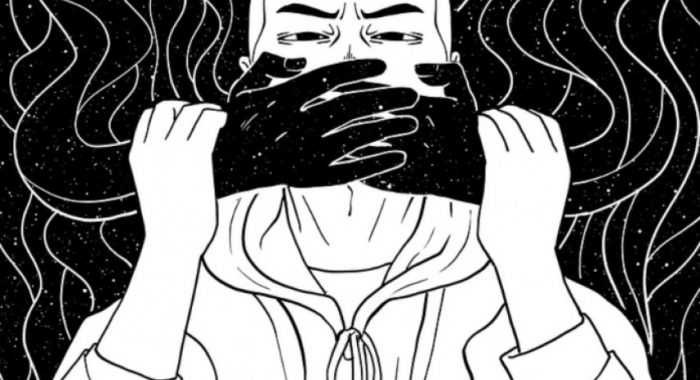
The report documented incidents of violence, including domestic violence and attempted sexual assaults inside and outside the facility.
NGO reports also referenced a recent homicide and other serious incidents.
The NCHR stressed that many problems could be mitigated through easier access to activities outside the facility and better integration with the urban environment.
A female‑friendly safe space, previously operated by UNHCR, is no longer functioning. The Commission emphasised the need for appropriate guarantees to protect vulnerable individuals, including survivors of torture, trafficking and gender‑based violence.
Understaffing, lack of interpreters and overworked personnel contribute to under‑reporting and inadequate handling of violence, particularly violence against women.
The NCHR found that there is no specialised staff capable of identifying vulnerabilities and making appropriate referrals. As a result, only urgent needs are addressed, leaving many residents without meaningful access to essential health and protection services.
The Commission stressed that these rights are directly linked to human dignity, as they aim to ensure a minimum “dignified standard of living” that protects physical and mental health.
The NCHR noted that recognised beneficiaries of international protection are legally required to leave the facility within 30 days of receiving their decision, yet no integration programmes or transition mechanisms are available.
It reiterated that integration should follow the principle of proportional distribution across regions based on local capacity and should occur within the urban fabric.
Based on its findings, the NCHR issued several recommendations to the authorities, including:
More specifically, the 1951 Convention Relating to the Status of Refugees (Geneva Convention), which recognises the right to asylum, guarantees a series of rights for refugees in their country of residence, including the right to movable and immovable property (Article 13), freedom of association (Article 15), access to courts (Article 16), the right to work (Articles 17–19), social welfare (Article 20), housing (Article 21) and public education (Article 22), as well as freedom of movement (Article 26). The Geneva Convention also prohibits the expulsion or refoulement of refugees (Article 33).
Under the rule of law, authorities must respect the rights of refugees during their reception and care.
However, the NCHR’s findings indicate serious shortcomings and failures by the Greek authorities in the reception of individuals entitled to international protection, despite the rights guaranteed under the 1951 Refugee Convention, including property rights, access to courts, the right to work, social welfare, housing, public education and freedom of movement, as well as the prohibition of expulsion or refoulement.





Bank Account number: 1100 0232 0016 560
IBAN: GR56 0140 1100 1100 0232 0016 560
BIC: CRBAGRAA

In a time where the very foundations of democracy are gradually being eroded by the rise of extreme nationalism, alt-right movements, the spread of disinformation and corporate capture, the efforts of organisations such as Vouliwatch are more relevant than ever.
We rely on the generosity of each and every one of you to continue with our efforts for more transparency and accounta
By financially supporting Vouliwatch you support our litigation strategy, our campaigns for transparency and accountability in the political system, the development of new civic tech tools, our research projects and last but not least our impartial and accurate